
Blog
Why PM Modi Picked Crisis Manager After Pradhan Exits ?

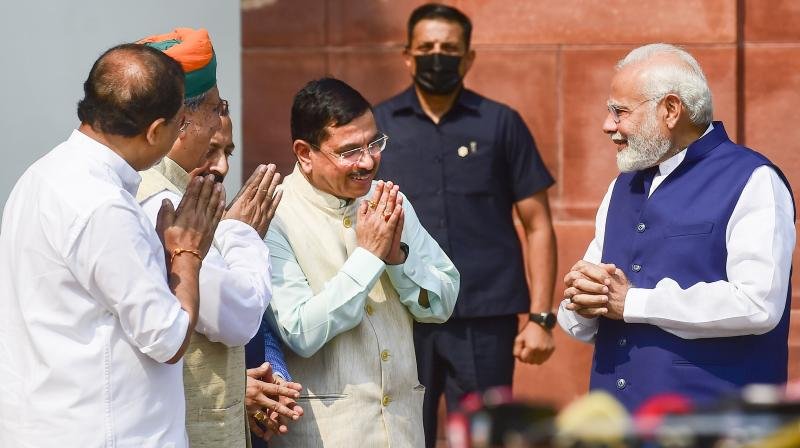
PrismNews: In a swift political and administrative realignment, Prime Minister Narendra Modi has assigned senior Cabinet Minister Pralhad Joshi the additional responsibility of leading the Ministry of Education.
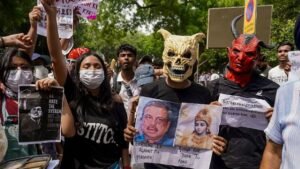
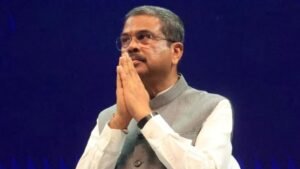
This high-profile deployment comes immediately after the resignation of Dharmendra Pradhan, who stepped down following weeks of massive, nationwide student demonstrations led by the Cockroach Janta Party (CJP) over widespread irregularities and leaks in the NEET-UG examination.
Joshi assumes control of Shastri Bhawan during a severe credibility crisis for the nation’s academic governance. He will run the education department while retaining his existing portfolios in Consumer Affairs, Food and Public Distribution, and New and Renewable Energy.
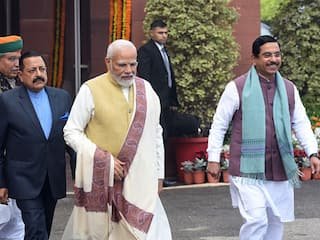
The Strategy: Why PM Modi Turned to a Parliamentary Veteran
The decision to hand over the crucial portfolio to Joshi reflects the government’s strategy to prioritize administrative stability over quick political fixes.
- Proven Floor Management: Serving as the Union Minister for Parliamentary Affairs from 2019 to 2024, Joshi has a reputation for diffusing aggressive Opposition strategies and building legislative consensus.
- Methodical Bureaucratic Discipline: Known for his quiet, execution-first style, the administration is counting on him to restore structural order to a highly volatile department.
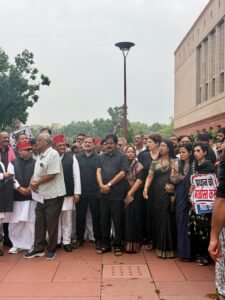
- Calming Political Friction: His immediate focus is to navigate political turbulence as the Opposition targets the government during the active Monsoon Session of Parliament.
Immediate Action Items: Fixing the NTA and Restoring Trust
Joshi takes charge at a moment when student communities are demanding accountability. His immediate roadmap includes:
- Reforming the Examination Framework: Overseeing structural changes inside the National Testing Agency (NTA).
- Accelerating Digital Testing: Speeding up the transition toward secure, computer-based testing (CBT) platforms to completely bypass physical paper vulnerabilities.
- Enforcing Strict Anti-Leak Penalties: Executing newly drafted statutory guidelines that impose severe criminal and financial punishments on paper leak networks.
- Re-engaging Student Stakeholders: Re-establishing open, transparent communication channels with student unions to actively restore trust in national evaluations.
Protecting the Future of NEP 2020
Beyond immediate crisis control, Joshi is tasked with keeping long-term academic policy functional. The rollout of the National Education Policy (NEP 2020), higher education accreditation systems, and state-level skill integration programs require continuous bureaucratic momentum.
By placing an institutional veteran at the helm, the central government signals that macro-level education reforms will continue unhindered by recent political unrest.
- Trending
- 20 US Warships Blockade Iran as Trump Details ‘Semi-Negotiations’

- Jharkhand Govt. Bows to Student Protests, Cancels 3 Major Competitive Exams
- DFO Kendujhar’s Action Plan: Wildlife Care to Infra

- US-Iran Clashes Intensify, Triggering Sharp Volatility in Global Oil Markets

- Odisha Drives Tech Adoption With Specialized AI Workshop